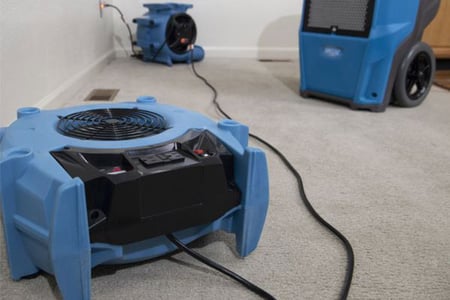
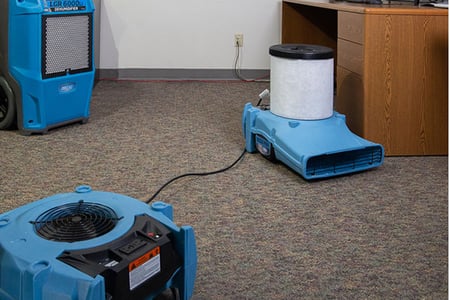
Effective water damage response depends on more than just having enough drying equipment, as not all equipment models – or setups – are created equal. Experienced restoration professionals know that, yet companies can still fall into the trap of choosing individual units based on price and availability without fully considering how it fits with their system.
This piecemeal approach can lead to inconsistent, unpredictable results on jobs, when drying efficiency matters. Keep these tips in mind for developing systems that deliver faster, more thorough drying results.
1. Simplify Training with a Unified System
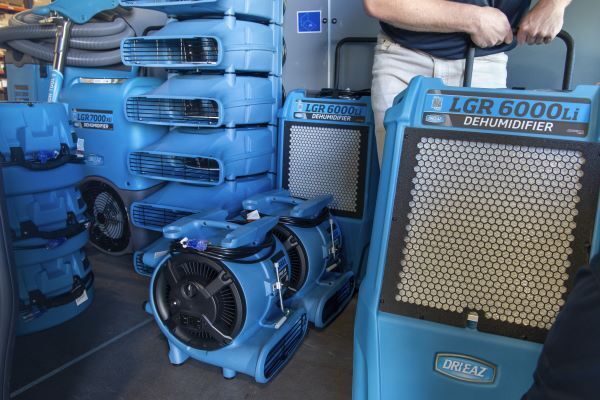
Restoration companies can save on training and project management time by standardizing to a cohesive system. Technicians learn equipment setup strategies that they can apply consistently across jobs, and they don’t have to switch between different types of controls, operations, and performance profiles, depending on which unit is available at the time. Equipment familiarity pays off under pressure – it means faster setup, fewer errors, and a more coordinated response.
2. Invest in Durability and Reliability
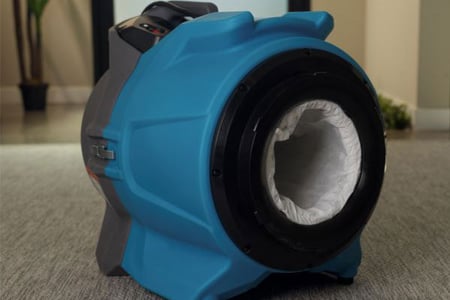
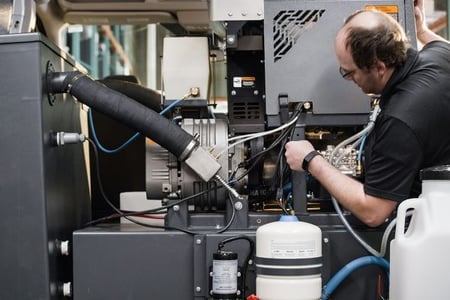
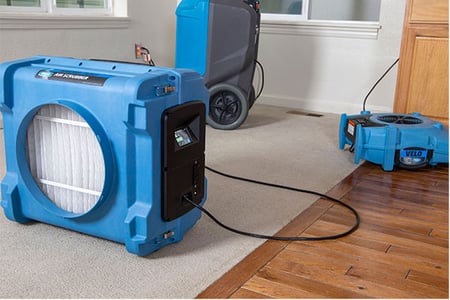
Short-term thinking suggests a cheap air mover, air scrubber, or dehumidifier is a bargain, since it will be paid for quickly and can be discarded if it breaks. But equipment breakdowns cause unnecessary disruptions of drying projects and extra trips back to the shop to replace faulty machines. The rigors of restoration – frequent moving in and out of trucks and extended runtimes – require equipment to:
- Withstand the wear and tear of heavy use and being moved around frequently in demanding conditions
- Maintain reliable performance for extended periods of time – throughout the full drying cycle
- Be easily serviceable with repair parts readily available, if problems arise
3. Invest in Test-Proven Equipment
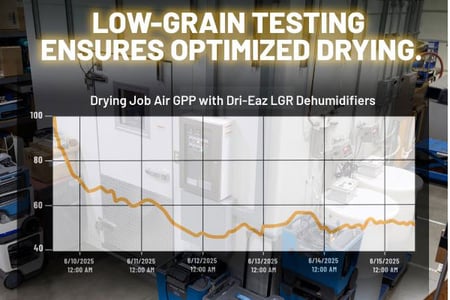
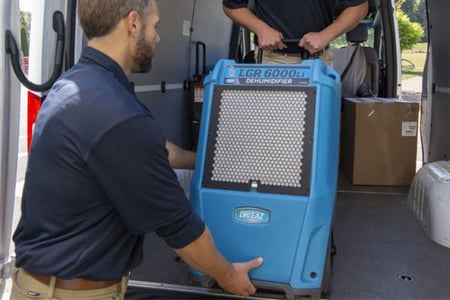
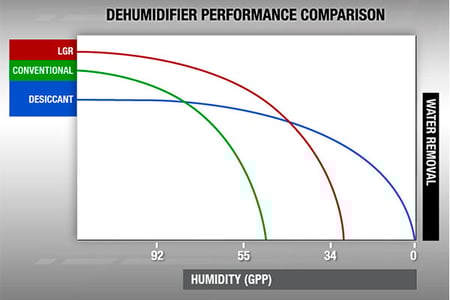
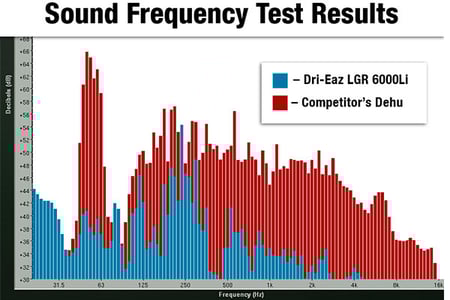
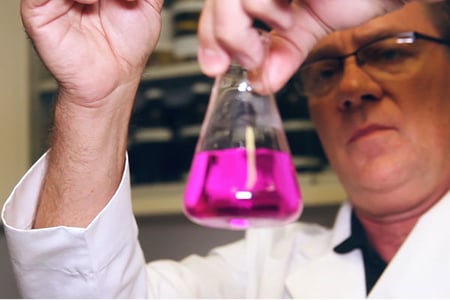
Many dehumidifiers make performance claims that sound impressive – but those numbers don’t always hold up in real conditions. For example, some units labeled “LGR” (low grain refrigerant) may not remove any moisture at low humidity levels – exactly when performance matters most to ensure thorough drying.
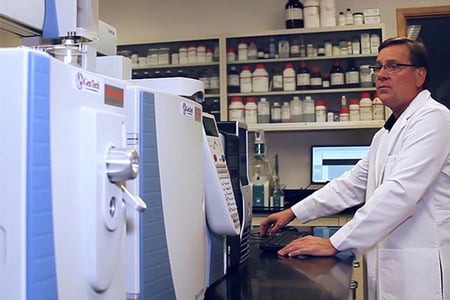
That’s why tested performance is so important. Professional-grade dehumidifiers are tested under controlled, low-humidity conditions to ensure they can continue pulling moisture effectively from deep within building materials, not just in the early hours of a drying project. This kind of testing gives techs a more reliable picture of what a unit can do on the job, not just based on hypothetical performance.
Legend Brands always reports accurate, tested Dri-Eaz° product specs based on thousands of hours of controlled testing to ensure that specifications reflect actual performance rather than marketing claims.
4. Prioritize Certified Safety
Equipment safety should always be a priority, but it’s especially critical for restoration jobs, when equipment is left running in unoccupied environments. Purchase only equipment that is third-party tested and certified to meet rigorous UL standards, which provides important assurances for restoration company owners and their customers.
Certified equipment:
- Reduces the risk of electrical and mechanical failures
- Meets insurance and compliance requirements
- Protects both staff and building occupants
Cutting corners on certifications can save money up front, but create far greater risks. Check serial labels for confirmation that equipment is safety certified. You can trust that all Dri-Eaz equipment has been tested and certified to UL/CSA standards.
5. Unify Around Technology
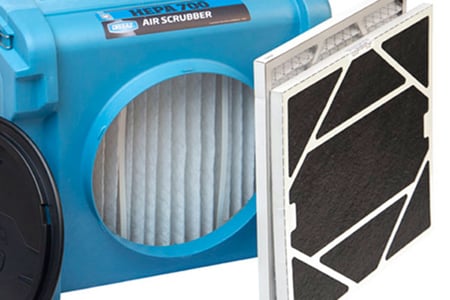
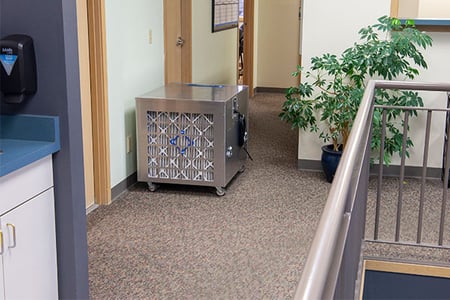
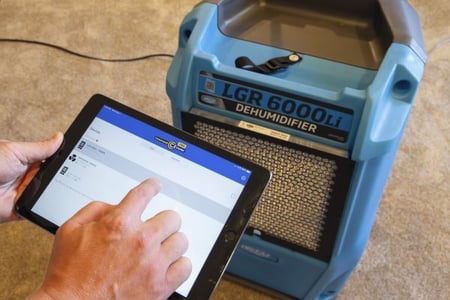
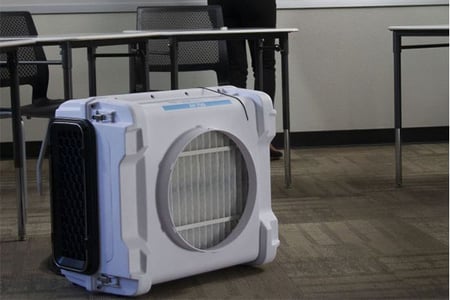
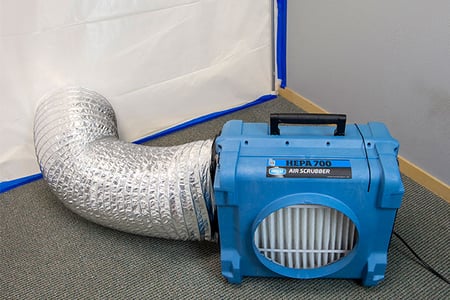
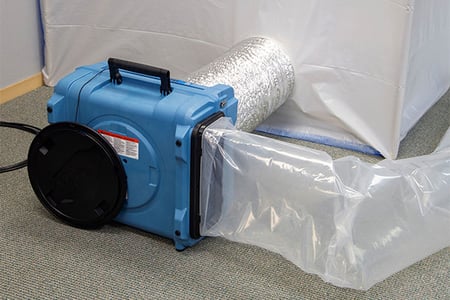
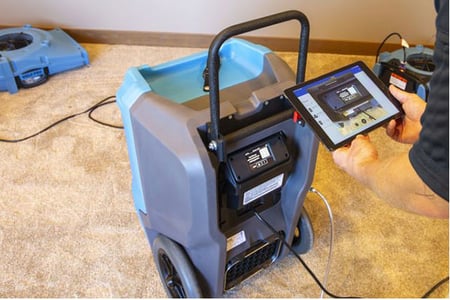
Restoration companies that utilize Dri-Eaz dehumidifiers and HEPA 700 air scrubbers with Command Hub controls can take advantage of onsite and remote monitoring efficiencies. All have built-in Bluetooth and Wifi, enabling supervisors and techs to use the free Dri-Eaz Command Center Pro app to check and control all units at once from anywhere. Also, managers and administrative staff in the office can quickly check the Command Center Dashboard for job status to plan technicians’ routes, plus track maintenance work and send reports to homeowners and insurance contacts.
6. Train to Build Skills and Confidence
Even the best equipment won’t perform at its peak without a well-trained team behind it. Standardized equipment training helps technicians deploy, operate, monitor, and adjust equipment quickly and correctly – even in high-pressure situations. When everyone knows how the system works, setup time improves and drying results are more consistent.
The easiest way to bring techs up to speed quickly is through the Restoration Sciences Academy hands-on Water Restoration Technician/Applied Structural Drying Combination Class. In just five days, a new technician or supervisor can gain all the practical skills necessary to make sound decisions on restoration jobs, saving company owners time and headaches.
The Restoration-Ready System
When every minute matters, having a unified equipment system on which technicians have been trained makes all the difference. By taking a systemized approach to performance, technology, safety, and training, restoration companies can streamline their operations to respond faster and dry more effectively, improving their business’ reputation and bottom-line profits.









.jpg?width=450&name=email_387159171-(2).jpg)


.jpg?width=450&name=werner_microscrope-(2).jpg)
.jpg?width=450&name=custcommentcard_210417437-(2).jpg)


.jpg?width=450&name=winespill-(2).jpg)
.jpg?width=450&name=uptool_stairs2-(2).jpg)
.jpg?width=450&name=inkexit_extract1-(2).jpg)


.jpg?width=450&name=reminder_postcard_postimage-blog-(2).jpg)





.jpg?width=450&name=cigarette-smoke_1222816192-(2).jpg)